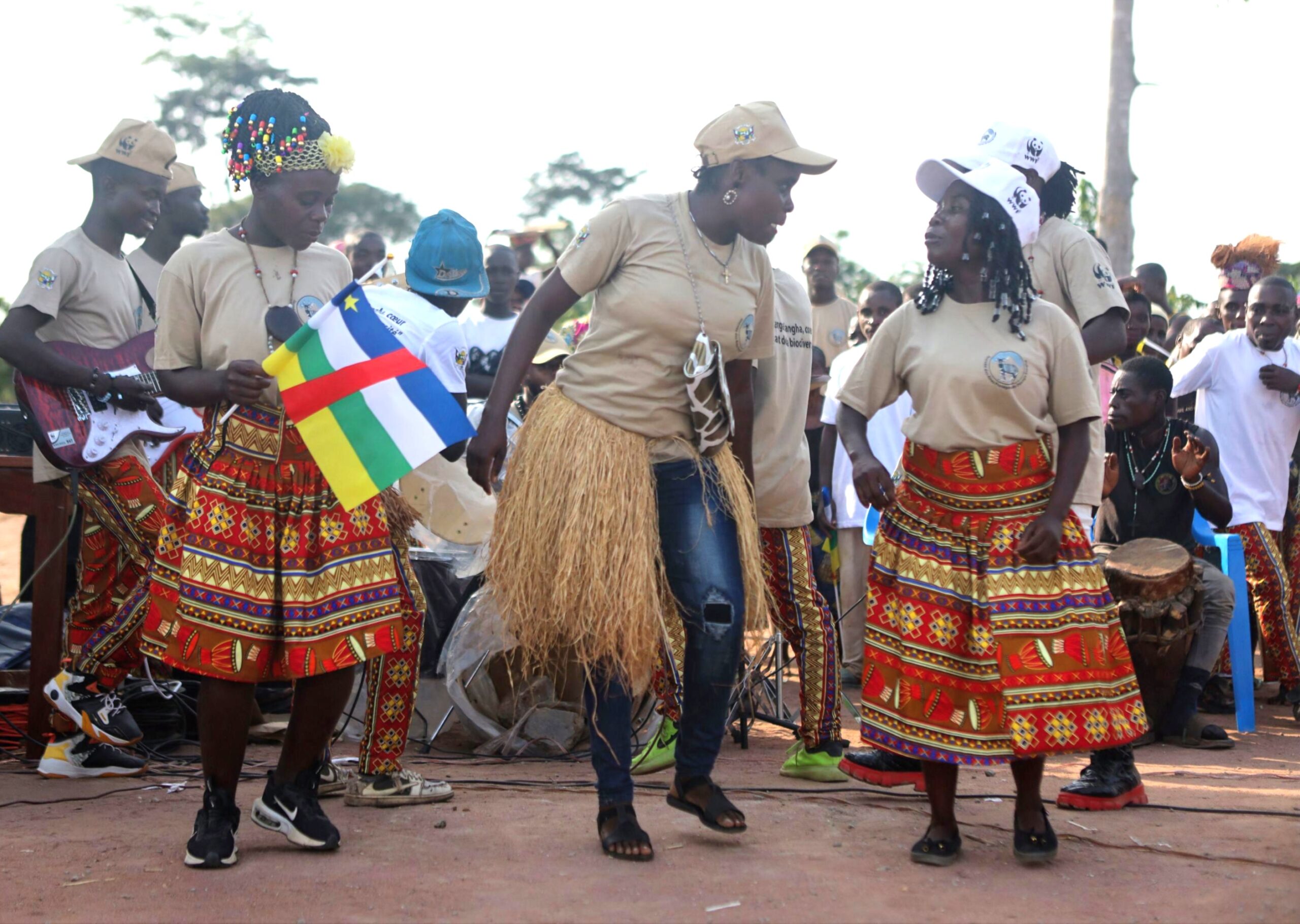
Where forest elephants gather in vast mineral clearings and lowland rainforest stretches like a green sea, Dzanga-Sangha stands as one of Africa’s most remarkable conservation landscapes. A UNESCO World Heritage site and a living One Health model, it brings together people, wildlife, and forests in a shared vision for sustainable development.
To celebrate and strengthen this unique approach, the Government of the Central African Republic, in partnership with WWF and the Helmholtz Institute for One Health (HIOH), launched the first-ever Dzanga-Sangha Protected Areas (DSPA) Day. The initiative was inaugurated during a high-level ceremony in Bangui on 18 November, followed by two days of community celebrations in Bayanga, at the heart of the protected areas.
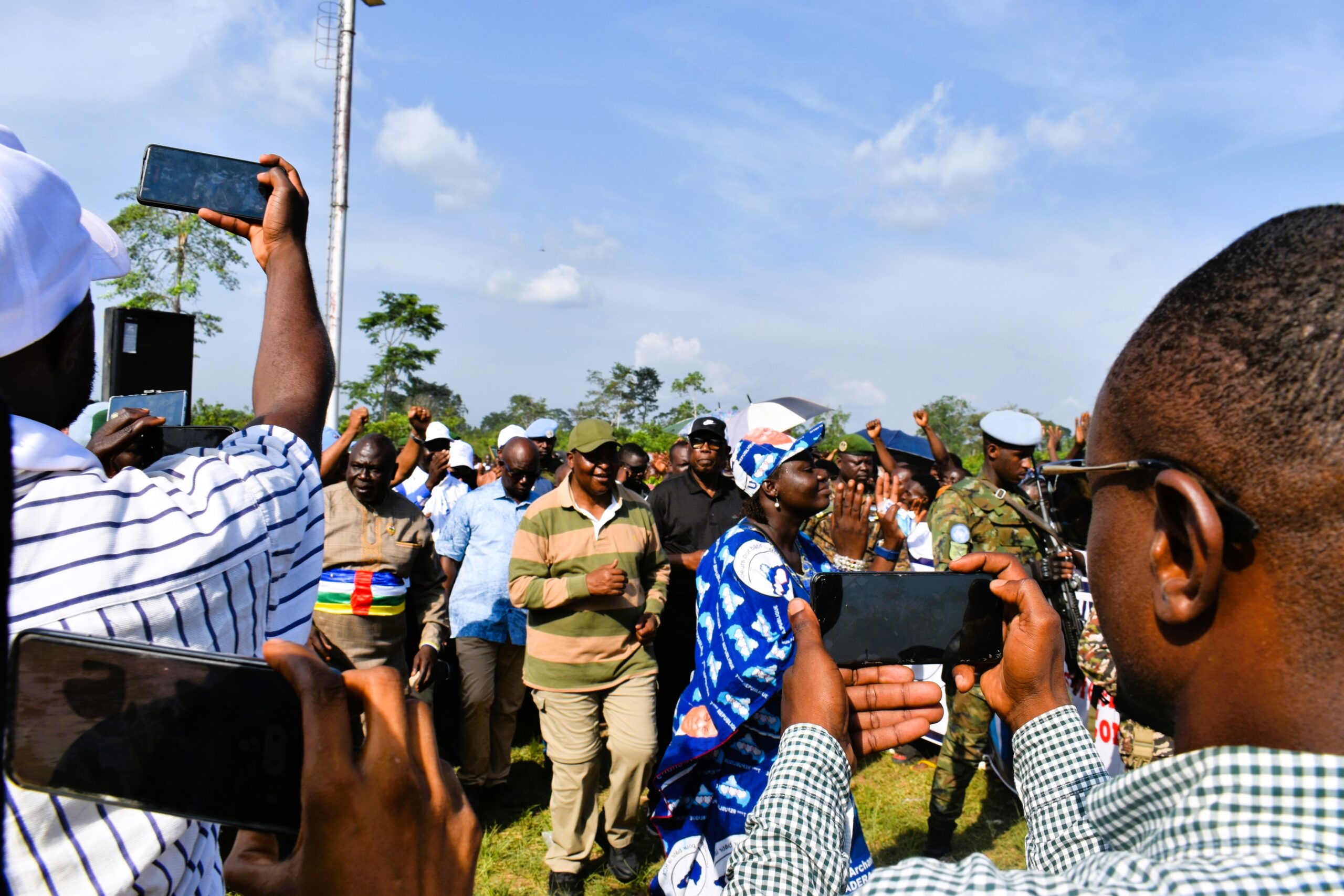
President Faustin-Archange Touadéra visited the Dzanga-Sangha Protected Areas alongside senior government officials, national and international partners, traditional authorities, and community representatives highlighting the national and global importance of protecting this exceptional landscape while creating opportunities for local populations.
The DSPA Day showcases the essential role protected areas play in nature conservation, health, and sustainable development. The programme featured presentations, a Dzanga Sangha Market and a One Health workshop in Bangui, and field visits illustrating how conservation efforts in Dzanga-Sangha translate into improved livelihoods, stronger health systems, and long-term community progress.
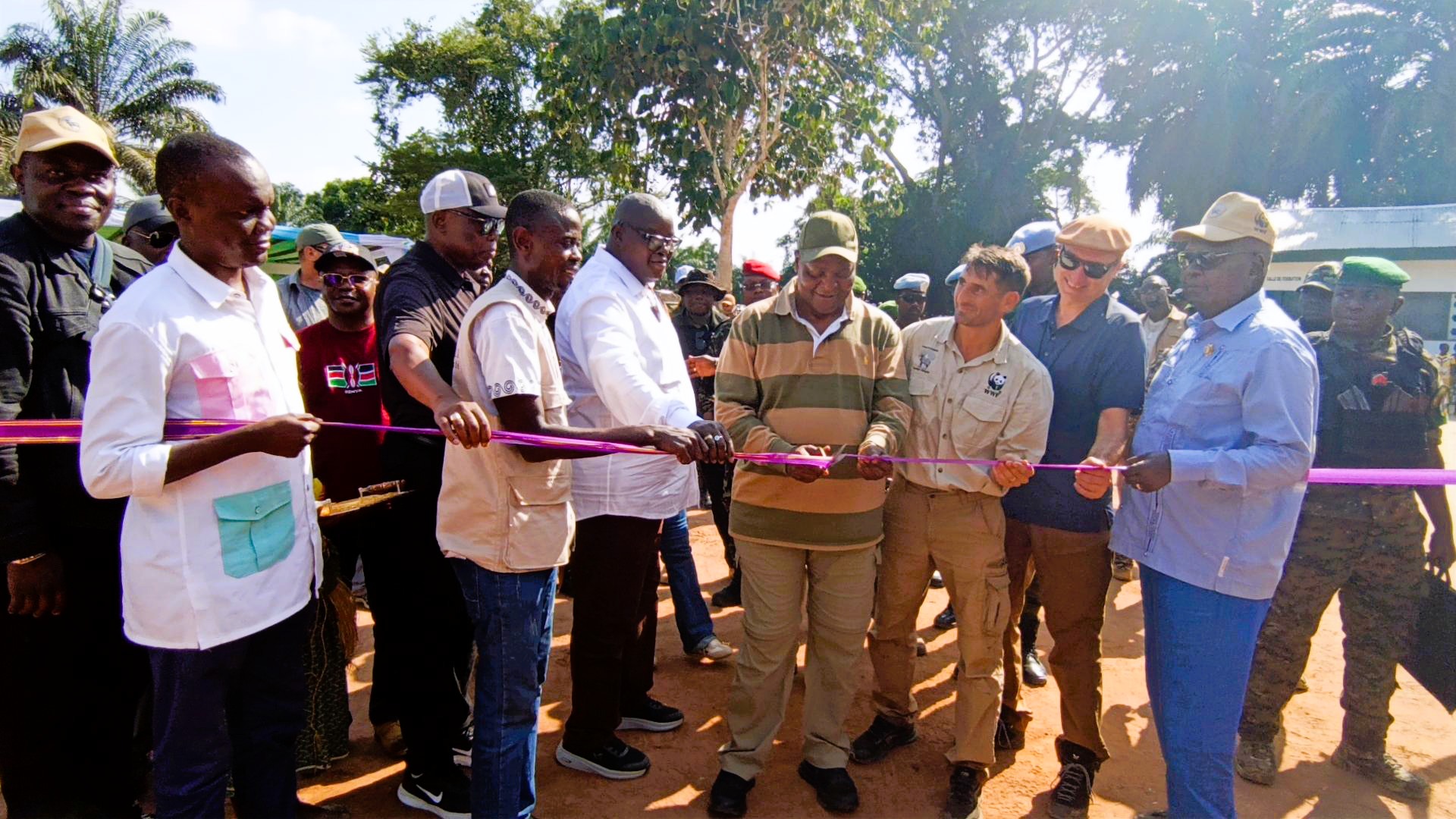
“The President’s visit was especially memorable as it marked the inauguration of the ‘Papa’ building. This new facility will host training courses, serve as an exhibition hall, and function as a museum—showcasing the knowledge young people gain from their elders and preserving our traditions.”
Martial, Head of the local organisaiton Ndima Kali
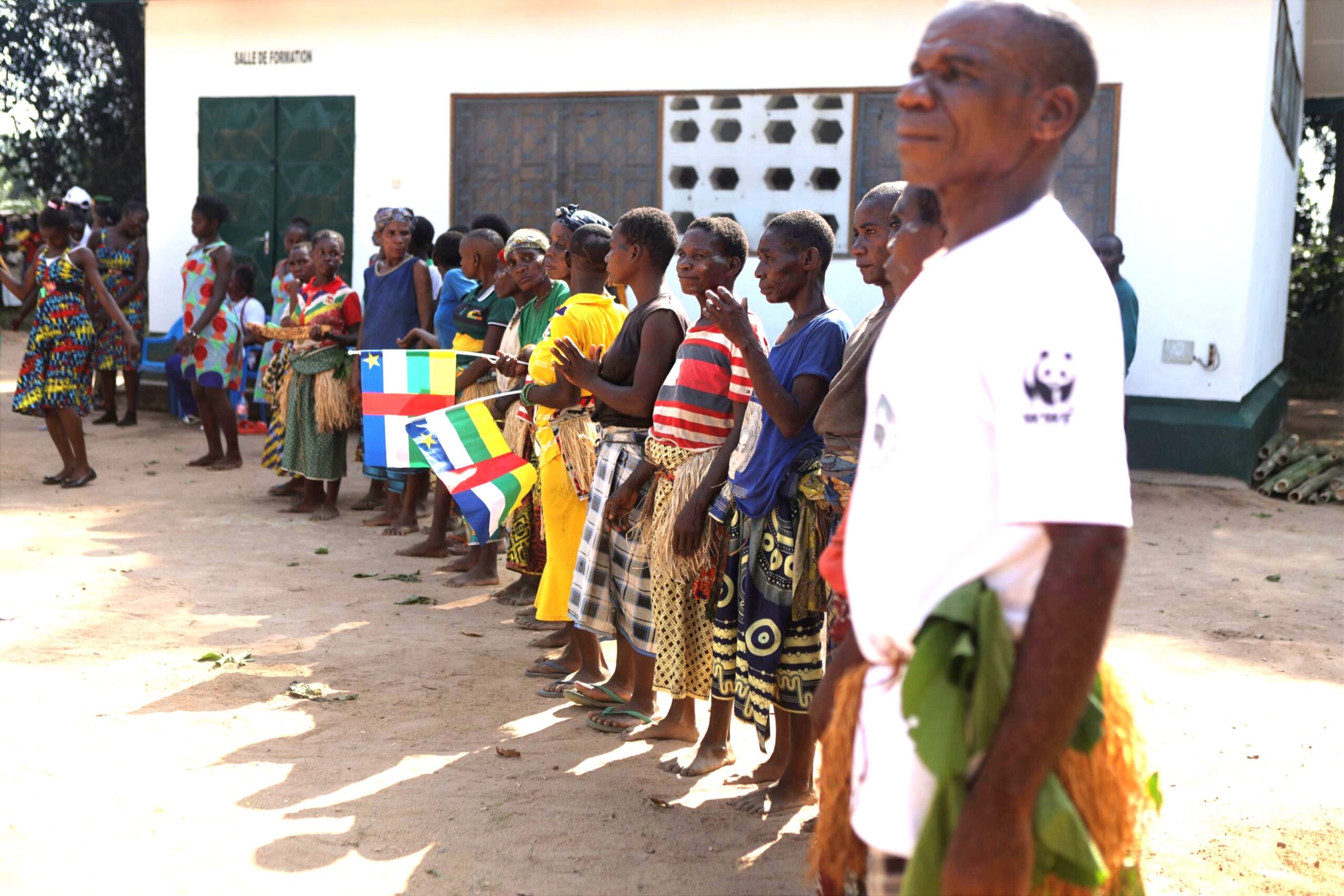
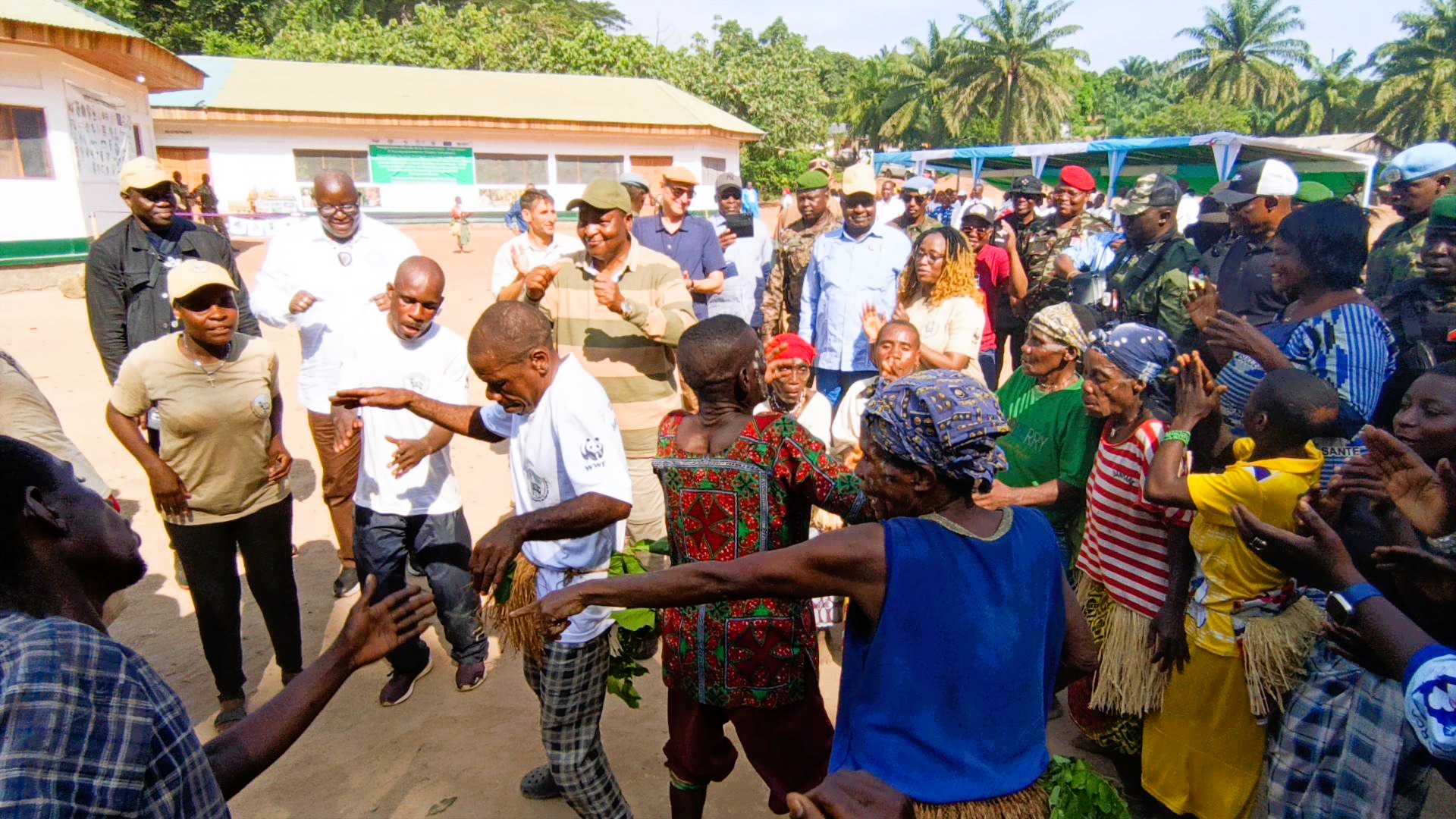
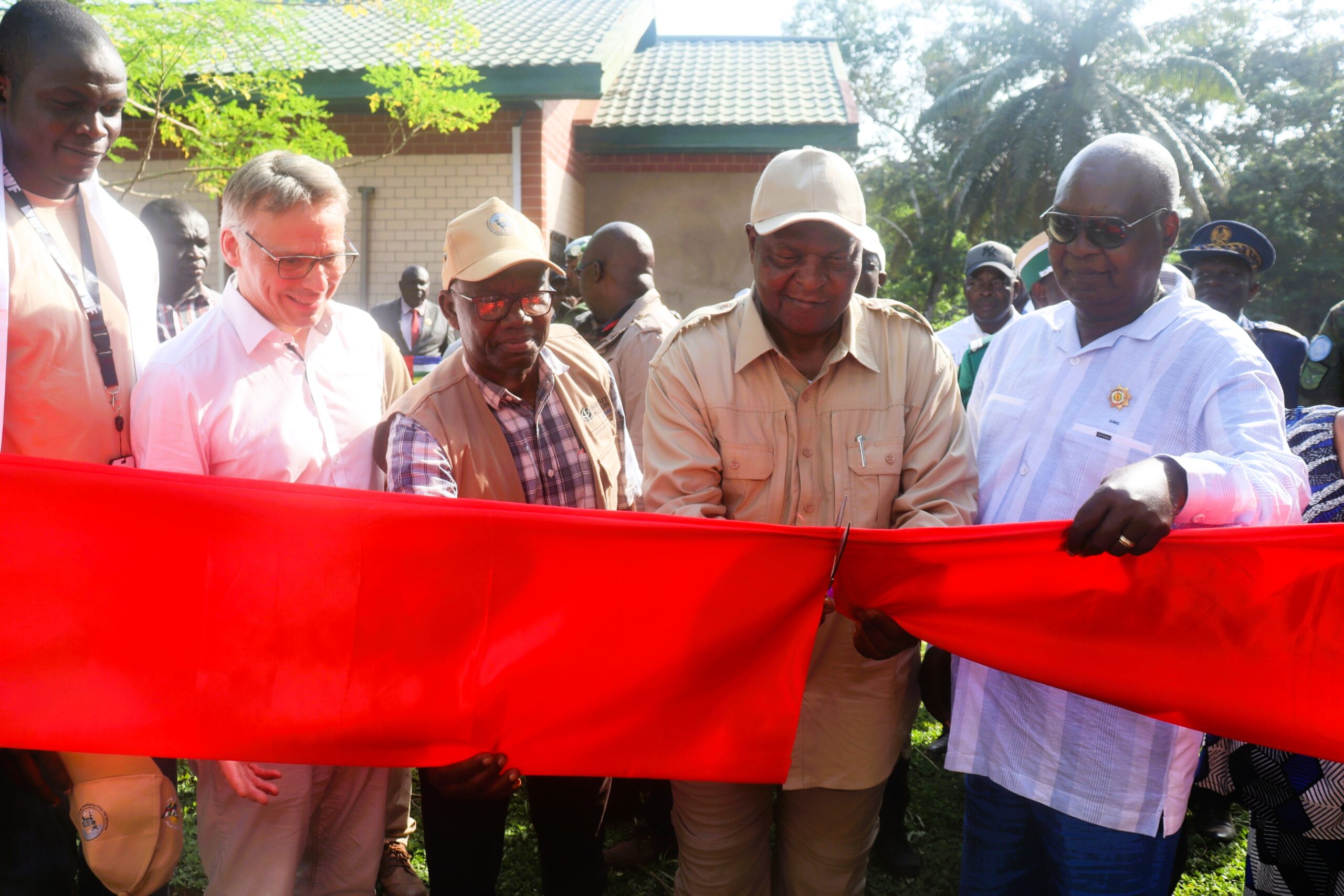
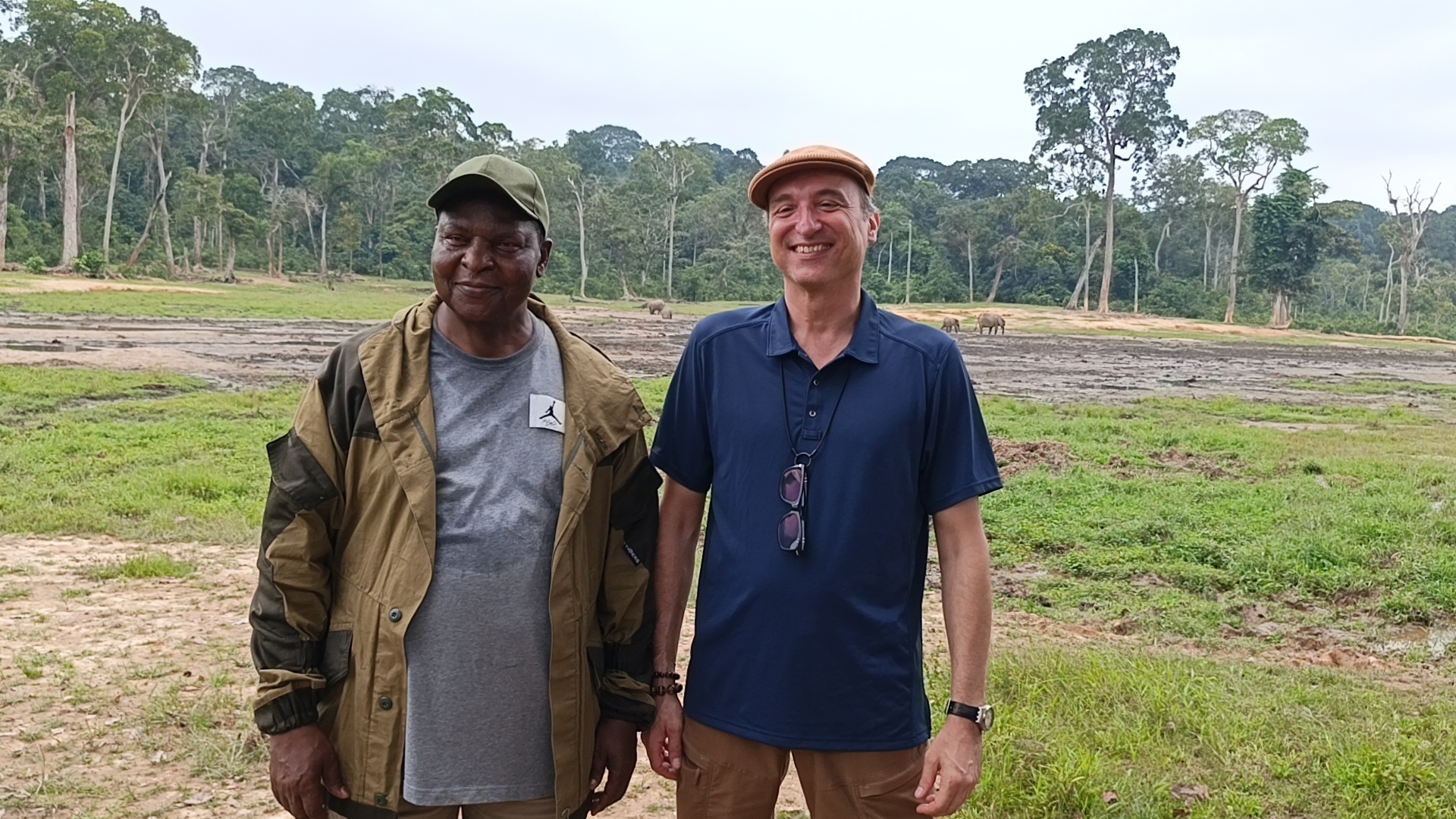
Following the official launch in Bangui, the European Union Ambassador to the Central African Republic, Diego Escalona Paturel, accompanied President Touadéra to Bayanga. Together with ministers, traditional leaders, and partners, they spent two days in the field engaging with local and Indigenous communities and seeing first-hand how conservation investments are generating tangible benefits through eco-tourism development, access to solar energy, and One Health approaches that strengthen disease prevention and improve overall health outcomes.
A highlight of the visit was a trip to the iconic Dzanga Bai forest clearing, where the delegation observed forest elephants and other wildlife that define this UNESCO World Heritage landscape. Through its NaturAfrica initiative, the European Union supports the Dzanga-Sangha landscape protecting its biodiversity, strengthening resilience, and placing communities at the centre of sustainable development.
Ambassador, Diego Escalona said: “Standing in Dzanga Bai, watching elephants emerge from the forest, you see why Dzanga-Sangha is a treasure not only for the Central African Republic but for the world. Through NaturAfrica, the European Union is proud to support this landscape, its wildlife and above all its people. Our partnership with the Government and communities shows that protecting nature can also create jobs, and help build peace, pride and prosperity.”
A living model of One Health and conservation
Nestled in the heart of the Congo Basin, the Dzanga-Sangha Protected Areas are a symbol of biodiversity and cultural heritage. Recognized by UNESCO as a World Heritage Site, DSPA forms part of the Tri-National Sangha (TNS) transboundary landscape shared by Cameroon, the Republic of Congo, and CAR. Globally celebrated as a living One Health model, Dzanga-Sangha links human, animal, and environmental health.
“When we detect a health threat early, we prevent outbreaks. That’s One Health in action—it’s not just science, it’s saving lives.”
Frédéric, Veterinary Scientist and One Health Program Manager
A legacy of protection and innovation
Since 1990, CAR has safeguarded this ecological jewel through the Dzanga-Ndoki National Park and the Dzanga-Sangha Special Reserve. Its 2012 UNESCO inscription confirmed its Outstanding Universal Value. In 2024, a Memorandum of Understanding between the Government, WWF, and HIOH strengthened One Health surveillance in the protected areas, placing prevention, resilience, and community well-being at the heart of conservation.
What’s Next
The DSPA Day is just the beginning. With continued investment and collaboration, the DSPA aims to expand its impact, creating more jobs, improving health services, and inspiring other regions to adopt the One Health approach.
About us
DSPA is a pioneering conservation landscape that integrates biodiversity protection, community development, scientific research & training, and One Health. Governed through co-management between the Government and partners, and within the TNS regional collaboration, Dzanga-Sangha exemplifies high-impact conservation—locally rooted, globally relevant.