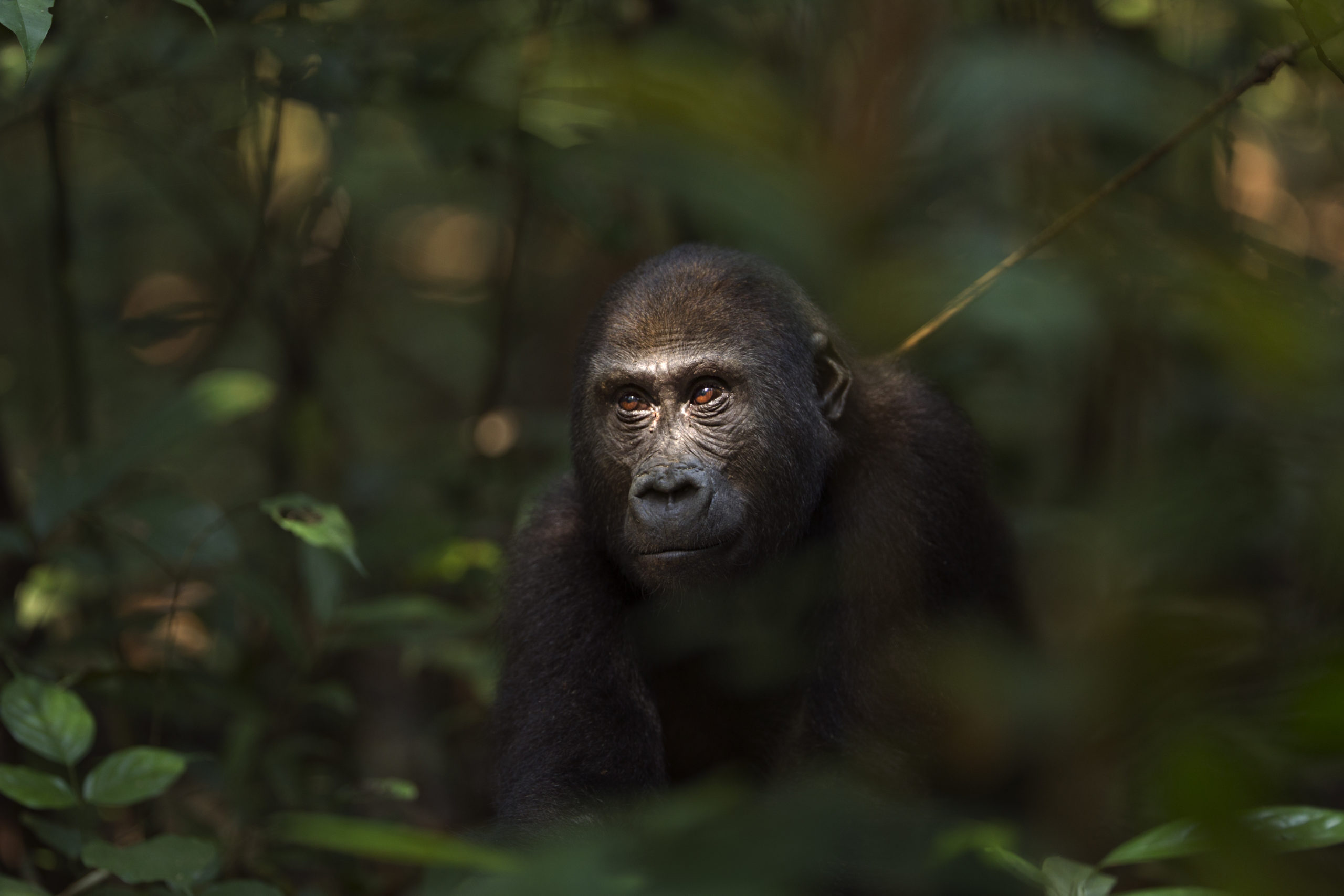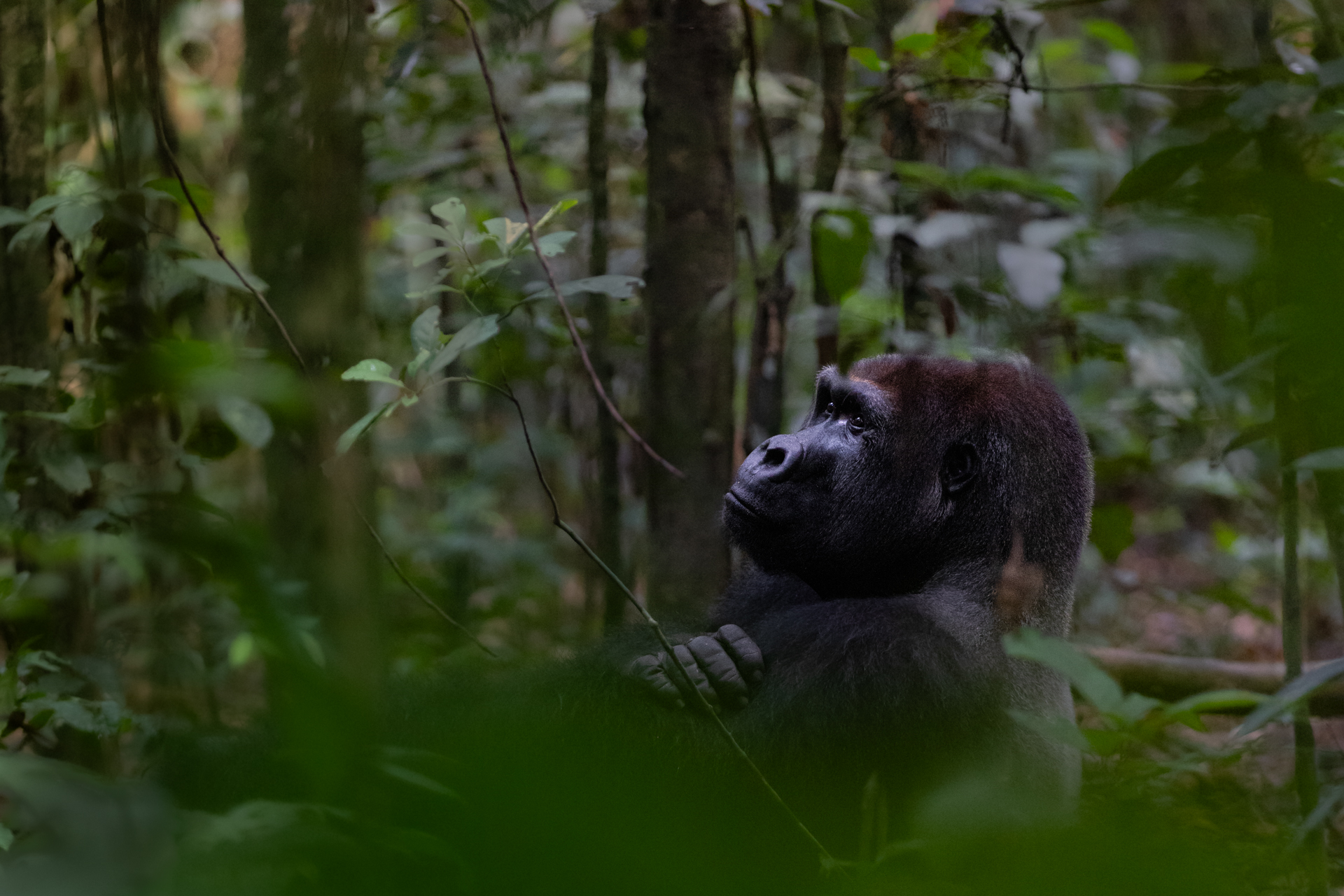
Following the death of the legendary Makumba in 2024, efforts were made to habituate another gorilla group to ensure that gorilla tourism could continue. After just over two years of habituation, Limo and his family opened a window into their lives, allowing tourist visits to resume on 1 July 2025, after a full year of interruption.
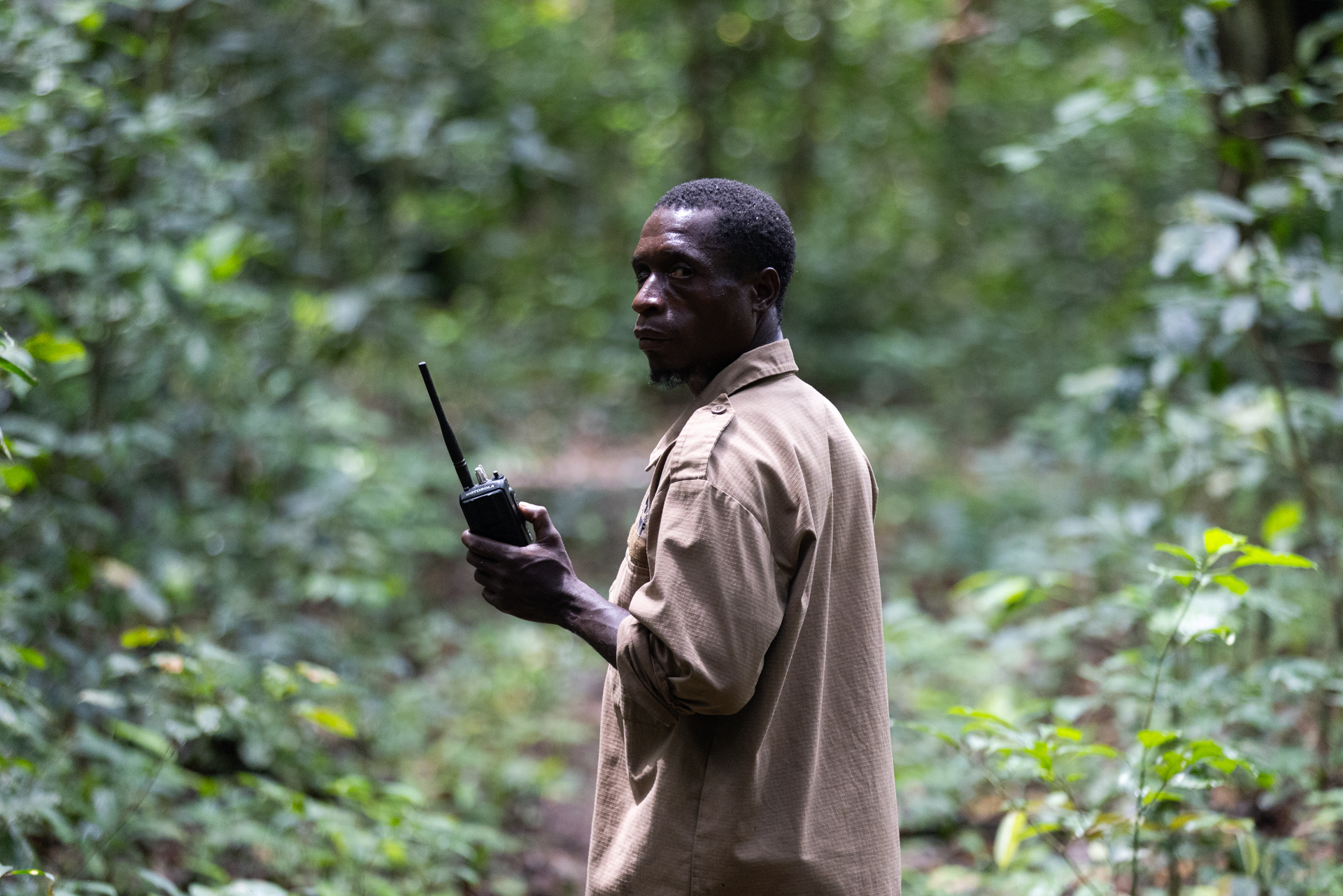
This achievement is thanks to the entire Primate Habituation Programme team, and particularly the trackers, who worked tirelessly in the forest every day to follow the family’s tracks and gradually habituate them to human presence.
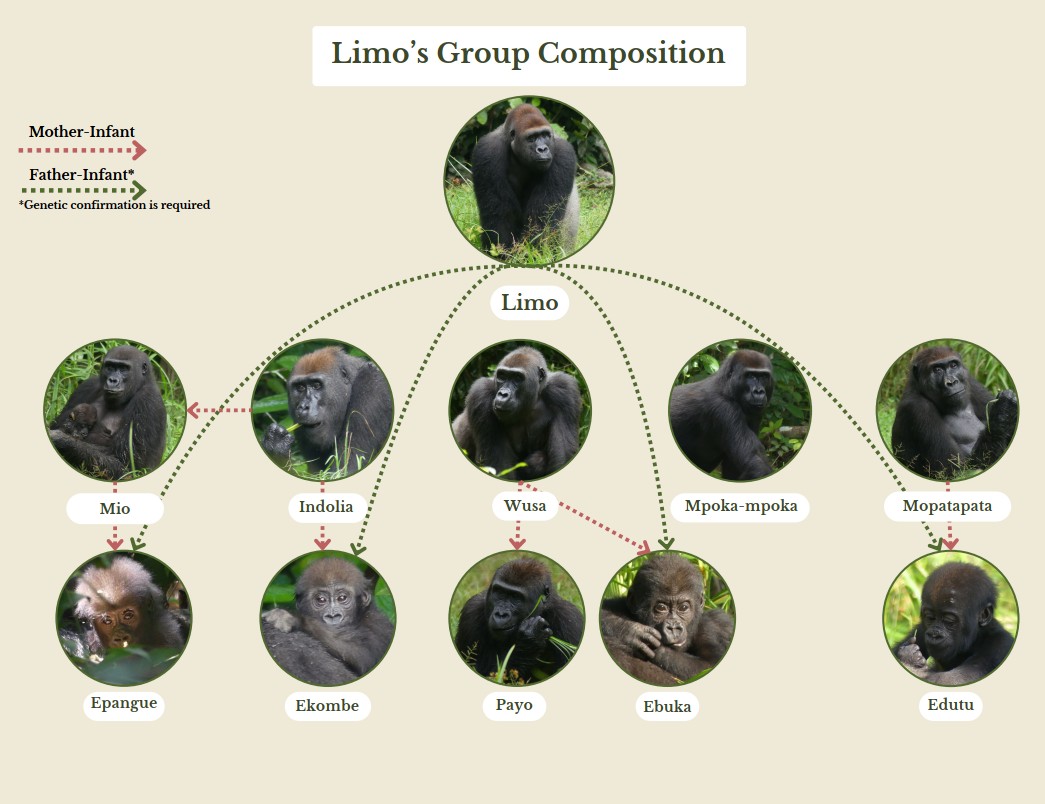
Limo’s family currently consists of 11 individuals: the silverback Limo; the females Indolia, Wusa, Mpokapoka, Mopatapata, Mio and Payo; and the youngsters Ekombé, Ebuka, Edutu and Epangue.
Limo’s habituation process was particularly quick, taking just two years. This can partly be explained by the fact that several members of the group were already known to the teams and accustomed to human presence. Indeed, following the disappearance or death of a silverback, it is common for members of a gorilla group to disperse and join new groups.
This is the case for Indolia, who is now a member of Limo’s family but previously belonged to Mata’s group. Mata died in 2024, and Indolia appears to have played a key role in maintaining the group’s cohesion, taking on much of the leadership during movements and social interactions.
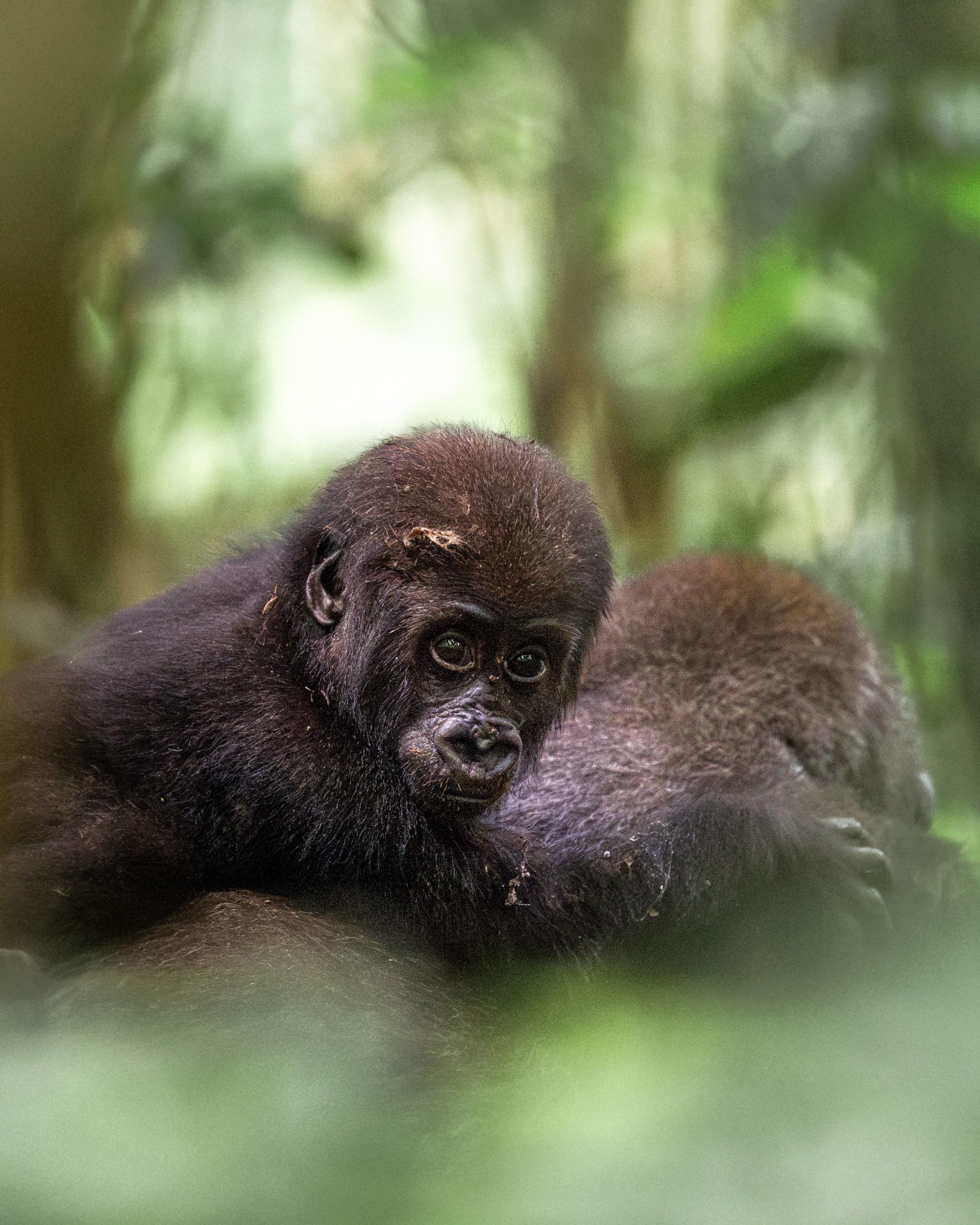
Meanwhile, two other gorilla groups are currently undergoing habituation: Bokala’s family and Missiki’s family. Both are monitored and contacted daily by the Primate Habituation Programme teams.
Habituation is a slow process that requires considerable patience. However, more than 20 years of experience, combined with the exceptional knowledge and skills of Ba’Aka trackers, now allow us to accelerate this process. The presence of females who are already habituated and have joined these new groups is also a significant advantage.
While Limo’s family is now open to visitors, we hope to introduce Bokala’s and Missiki’s families very soon, giving the opportunity to discover their daily lives in the heart of the unique Dzanga-Sangha rainforest.